From a 20m² Workshop to 400 Tons a Year
Nine Days That Changed Everything
It started with a problem. Durim Shahinas was working as a chef when the pasta supplier sent a simple note: no delivery today. So he made the pasta himself. The next day, the same message arrived. And the day after that.
By day six, he attempted ravioli, and failed spectacularly. Every piece fell apart. By day seven, he had gathered himself and kept going. By day eight, word had spread among his colleagues:Durim was making fresh pasta for the restaurant's clients. The first orders came from the people who watched him work.
By day nine, he faced a choice: keep cooking, or start producing. He chose to produce.
"I had to step away from my first love as a chef and take a new path, one that was just as passionate and justas challenging." - Durim Shahinas, Founder
That was 2013. What began as a necessity became a calling, and what started as a small experiment in a home kitchen, Durim, his mother, and his brother, eventually grew into one of the most trusted pasta producers in the region.
Semola, Eggs, and a 20m² Room
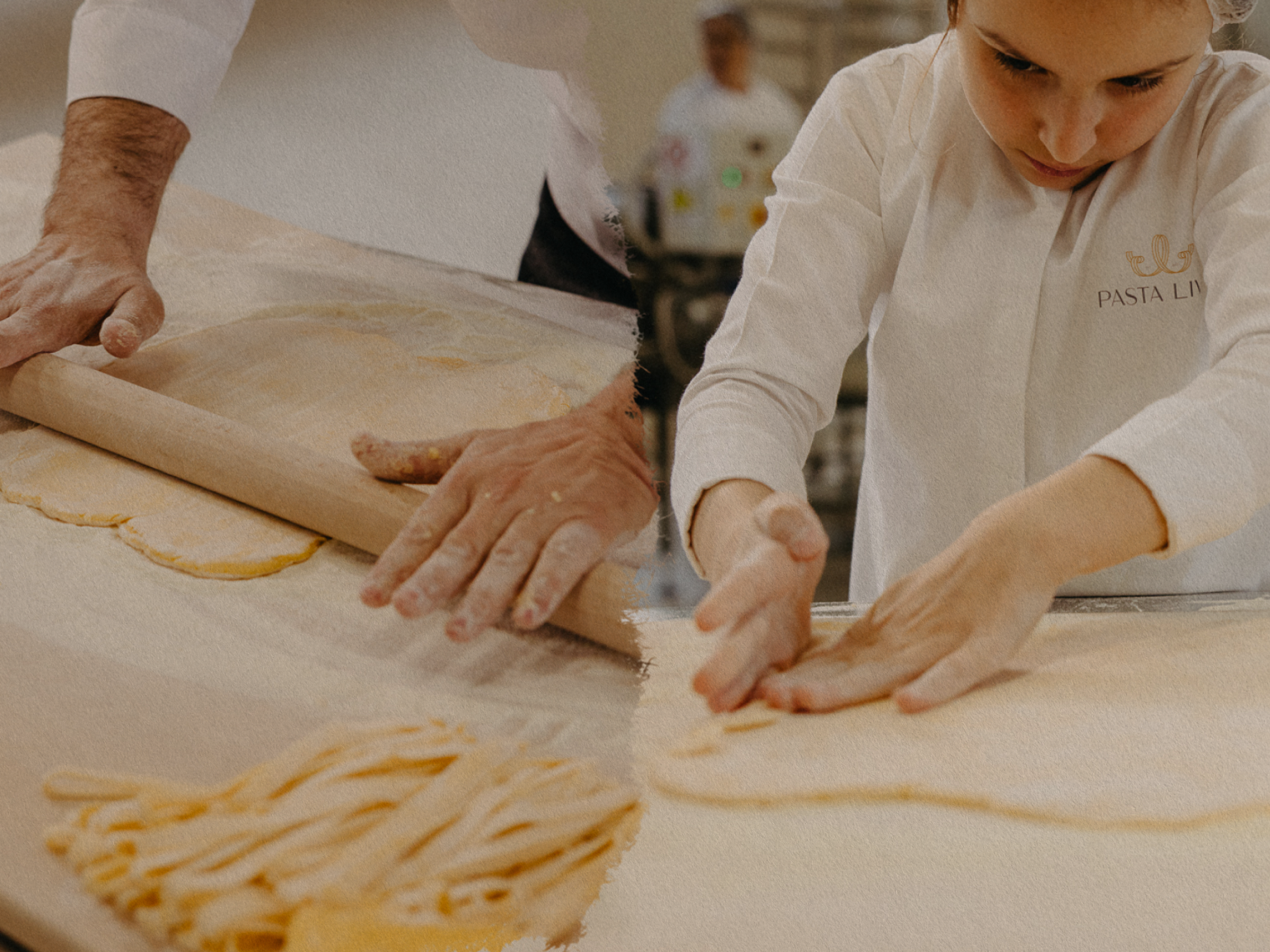
The first workshop was exactly 20 square meters. One pasta machine, one artisan worker, and a brand operating under the name Makbel, short for "Beautiful Macaroni." The recipe for the dough was simple: a little semola, a few eggs. But the results were anything but ordinary.
Word spread quickly among chefs and culinary professionals across Tirana. Fresh pasta, quality, handmade, consistent, was exactly what serious kitchens needed. More restaurants started calling. More orders arrived. The 20m² quickly became too small.
A move to a larger facility followed, bringing new pasta types, more artisans, and new technology into the mix. But even as the operation grew, the founding principles stayed fixed: Fresh.Quality. Artisanal.
A New Name, Born from Love
When Durim's daughter Livia was born, the business got a new name to match a new chapter. Pasta Livia. A name that carried the same weight as the product itself, something crafted with care, dedication, and the kind of attention you give to things that matter most.
The rebranding was more than cosmetic. It marked a commitment to a different kind of growth: one where imagination would have no limits, where collaborations with renowned chefs would shape the product range, and where a proper pasta laboratory would become the engine of innovation.
The Pasta Lab: Where Craft Meets Precision
At the center of Pasta Livia's current production facility — a 20,000m² site in Vaqarr, Tirana — sits what the teamcalls the Pasta Lab. This is where new shapes are born, where fillings aretested, and where the line between artisanal tradition and industrial precisionis carefully managed.
Every new product starts here. A shape is conceived, a dough formula tested, a die chosen, cooking times verified. Chefswho partner with Pasta Livia feed directly into this process — their requestsshape what gets developed. Some products in the current catalogue existexclusively because a single ambitious chef needed something no one elseoffered.
This is deliberate. Pasta Livia doesn't seeitself as a supplier. It sees itself as a space within every restaurant kitchenit serves — a partner that shows up reliably, with consistency, so that chefscan focus on the creativity that makes their menus distinctive.
Growing Without Losing the Soul
Scaling from 20 tons in the first year to400 tons today required serious investment in machinery — but Pasta Livia made a deliberate choice about what kind of machines to bring in.
The goal was never to replace the artisanal process. It was to protect it at scale. The equipment selected allows production to reach hundreds of kilograms per hour without interruption, while the IQF (Individual Quick Freezing) system, an industrial spiral freezer, ensures that every ravioli, every fagottini, every caramelle freezes individually, with microscopic ice crystals that preserve structure, texture, and filling integrity.
The result: a product that arrives at a chef's kitchen in the same condition it left the Pasta Lab. No pieces stuck together. No compromise on texture when cooked. No surprises in the kitchen, which, for a professional cook running a busy service, is exactly the point.
This technology also makes export viable.Individual quick freezing means portions can be separated cleanly, transport damage is minimised, and shelf life is extended without altering the product's quality profile.
Ten Years Later: The Numbers Speak
At Pasta Livia's 10-year celebration, Durim took the stage and read out a set of numbers. They are worth repeating:
680 restaurants supplied with Pasta Livia
2,046 chefs cooking with Pasta Livia products
2,720 waiters serving Pasta Livia dishes
14,000,000 customers who consumed Pasta Livia in 2023 alone
These aren't marketing figures. They're the down stream effect of one chef's decision, on day nine of a supplier crisis, tokeep making pasta. Every restaurant that trusts Pasta Livia enough to put it on their menu as if it were their own product, and many do, is a continuation of that original conviction.
"We are proud that our clients sell the Livia product as their own product." - Durim Shahinas
What Stays the Same
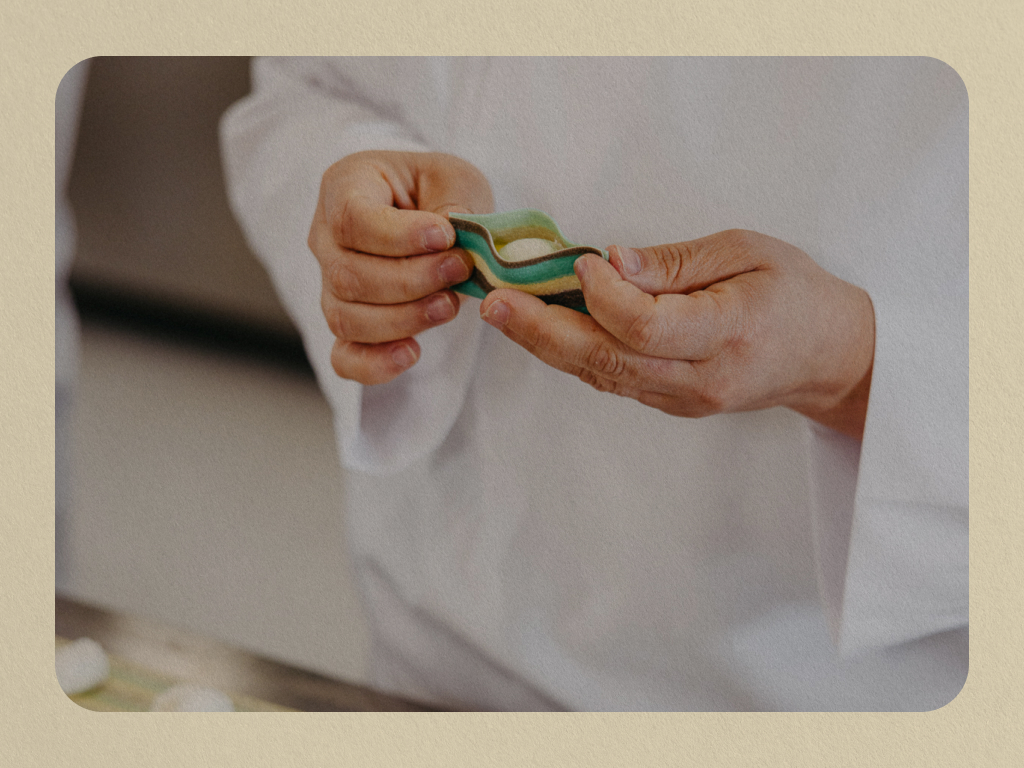
A lot has changed since Makbel. The workshop is now 20,000m² instead of 20m². The team is larger, the equipment more sophisticated, the product catalogue broader. Pasta Livia now offers three distinct product families, Classics, Artisanal, and Authentic, covering everything from spaghetti and paccheri to filled caramelle, dumplings, and three-colour fagottini.
But the founding logic has never been renegotiated. Fresh. Quality. Artisanal. These aren't positioning words.They're constraints that every production decision is tested against before itmoves forward.
From nine difficult days in a restaurant kitchen to 400 tons of pasta a year: the product changed everything. The passion for it didn't.
Want to partner withPasta Livia?
Visit Become a Partner to learn more about supplying your kitchen.